Data Breach Prevention Solutions Every Company Should Implement in 2026
Explore essential data breach prevention solutions including VAPT, security monitoring, employee training, and incident response planning to protect your business in 2026.
Prevention Is Cheaper Than Recovery

In the digital age, data breaches pose one of the greatest risks to businesses of all sizes. The financial, reputational, and operational damage caused by a breach can be devastating.
Preventing breaches is far more cost-effective than dealing with their aftermath. By implementing strong data breach prevention strategies, companies can:
- Protect critical assets
- Maintain customer trust
- Avoid costly disruptions
Core Data Breach Prevention Solutions
To build a strong defense against data breaches, organizations should focus on key security measures.
Vulnerability Assessment & Penetration Testing (VAPT)
Continuous testing helps identify weaknesses before attackers do and ensures protection against evolving threats.
Source Code Review
Reviewing application code early helps prevent vulnerabilities from reaching production.
Security Monitoring
Real-time monitoring enables quick detection of suspicious activity and potential breaches.
Employee Training
Training employees reduces risks from phishing attacks and social engineering.
Incident Response Planning
A well-defined response plan ensures quick action during a breach, minimizing damage and recovery time.
The Importance of a Layered Security Model
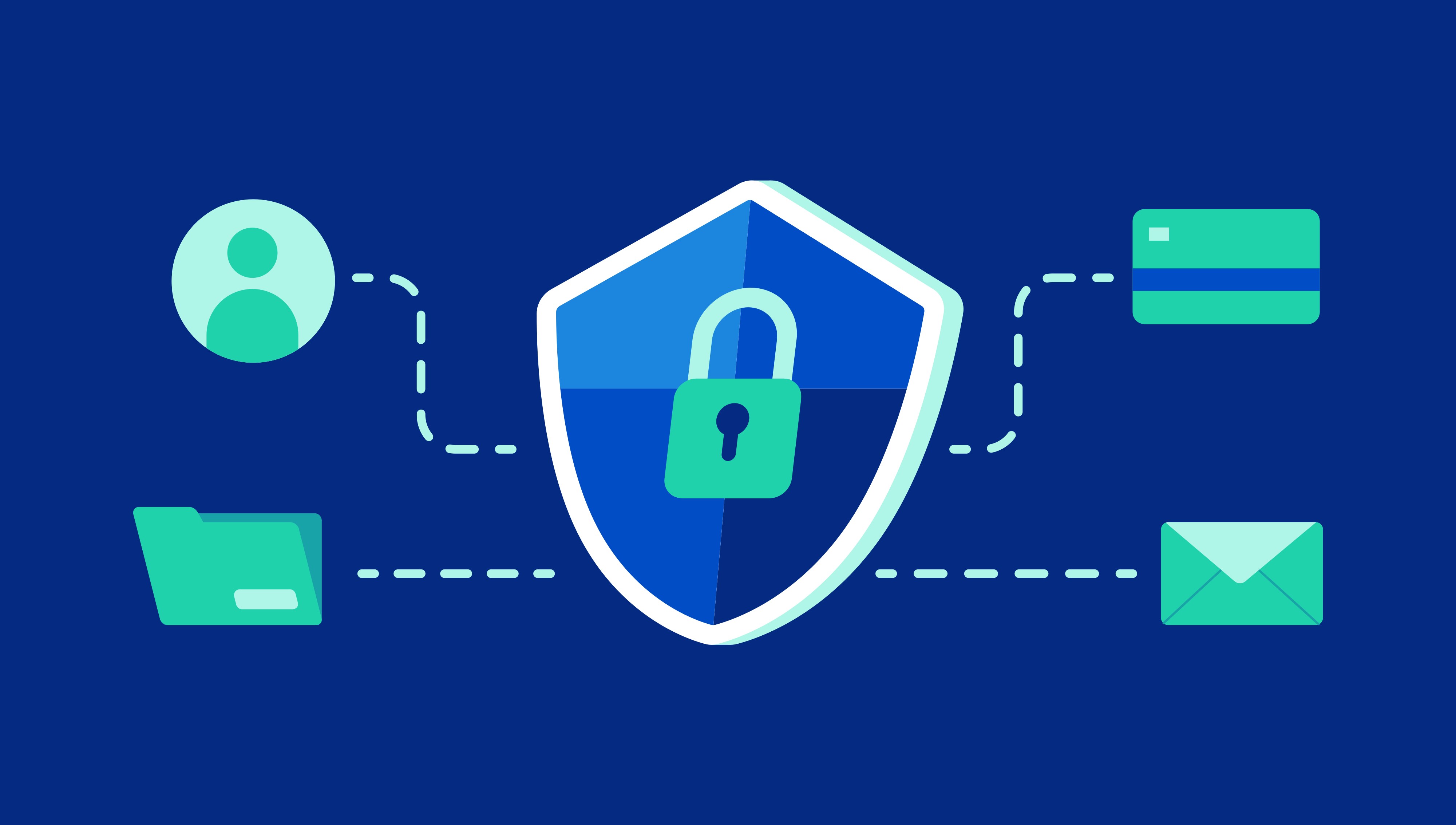
Effective security requires multiple layers of defense working together.
People
Employees trained to recognize and prevent security threats.
Process
Clear policies and procedures for handling security and incidents.
Technology
Tools and systems to detect, prevent, and respond to threats.
Together, these layers create a strong and resilient security posture.
Developing a Security Maturity Model
Security should evolve over time as threats become more advanced.
Basic
- Firewalls
- Antivirus
- Password policies
Intermediate
- Regular vulnerability assessments
- Employee training
- Incident response planning
Advanced
- Continuous security testing
- Automated monitoring
- Threat intelligence integration
- Risk management frameworks
Progressing through these levels strengthens an organization’s ability to prevent breaches.
An Enterprise-Wide Security Approach
For larger organizations, security must be continuous and organization-wide.
- Regular security audits to identify gaps
- Breach simulations and tabletop exercises to improve readiness
This ensures security remains a priority at every level.
Take Action to Build a Breach-Resistant Environment
Protecting your company starts with identifying vulnerabilities and strengthening defenses.
Building a secure environment requires:
- Continuous monitoring
- Regular assessments
- Expert guidance
Invest in your security today to protect your business from the long-term impact of data breaches.